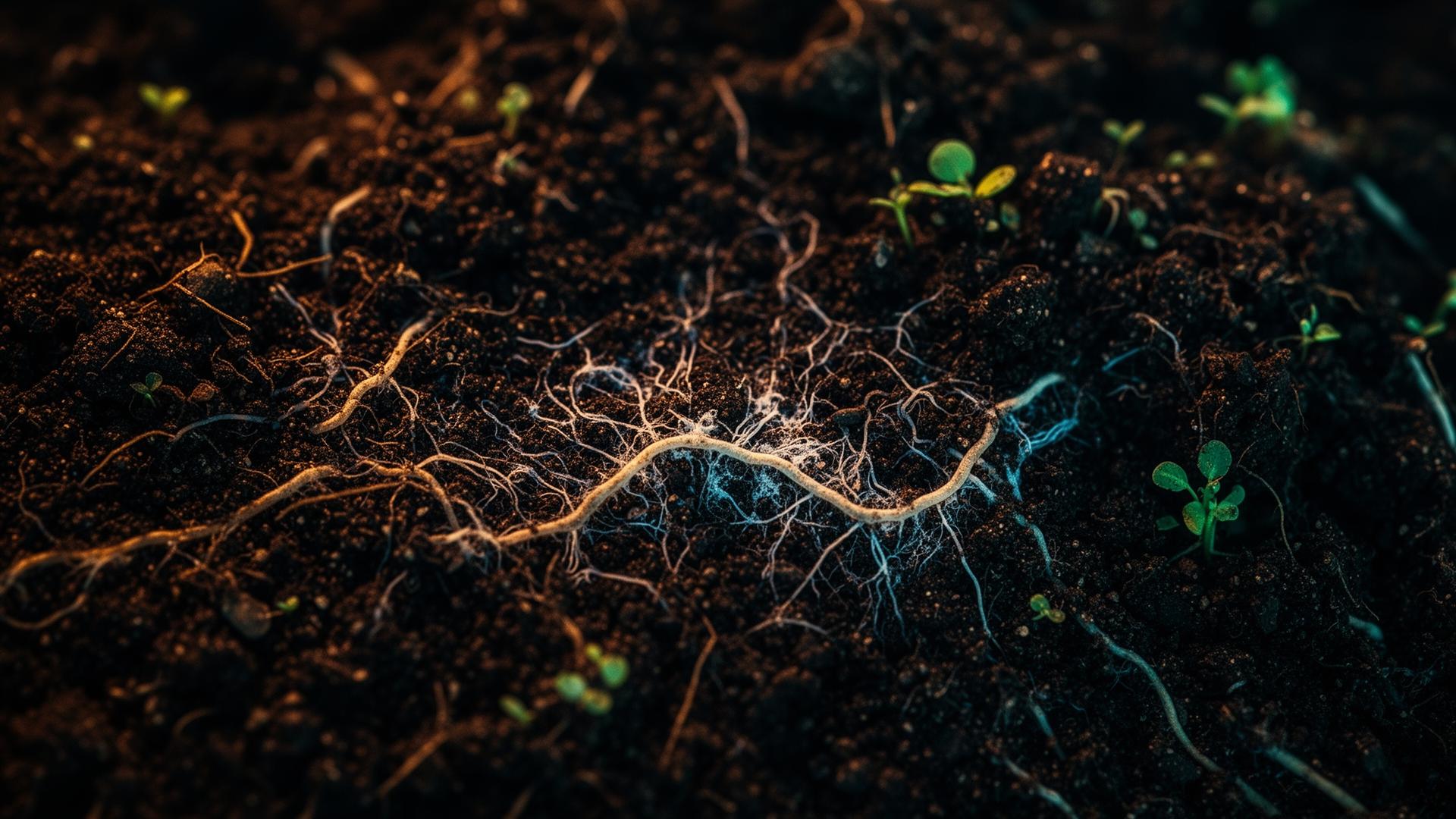
Every civilization begins with healthy soil.
Harvestria designs biological soil remediation compounds — region-specific microbial consortia that restore the productive capacity of degraded land. For farmers, enterprises, and nations.
All figures modelled · cohort median · pending public field-data release.
The problem beneath the problem
A third of the world's arable land is degraded. Productivity is collapsing while demand accelerates.
Soils that fed civilizations for millennia have lost biological function in decades. The response — more fertilizer, more water, more chemistry — is accelerating the failure it tries to fix.
The fertilizer supply chain that feeds half the planet is fracturing in real time.
War in Ukraine. Sanctions on Russian and Belarusian potash. Red Sea shipping disruptions. Chinese urea export controls. Middle East gas volatility. The inputs the Green Revolution depends on no longer move freely — and the next planting season is already compromised.
Synthetic inputs were a subsidy from a stable world — and that world no longer exists.
Harvestria's compounds rebuild the biological capacity of soil to fix nitrogen, mobilise phosphorus, and retain water — replacing fragile, fossil-derived imports with a living substrate the farmer owns.
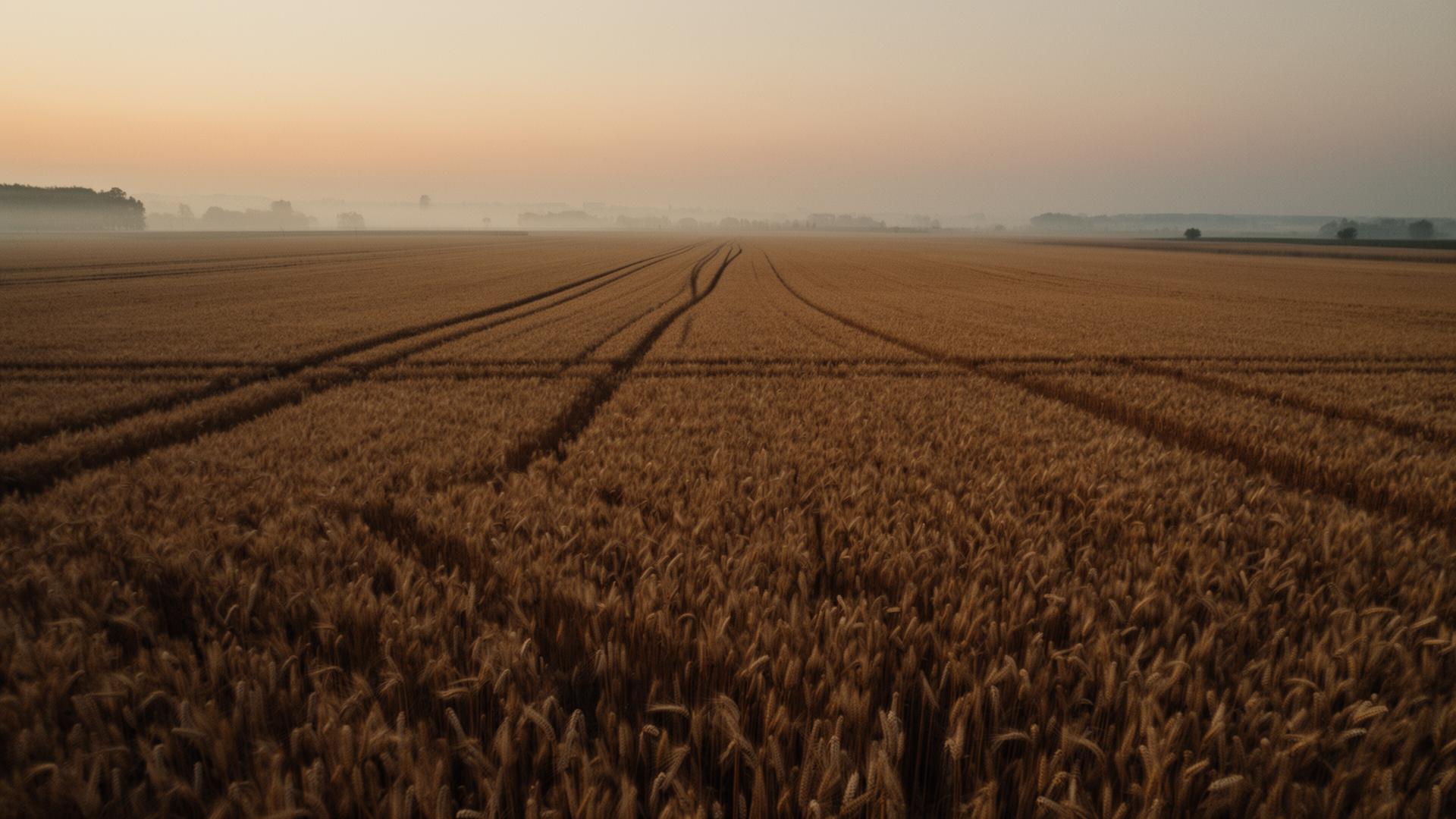
A 12,000 year pattern
The first cities did not rise because of architecture, religion, or law. They rose because the soil of the Fertile Crescent could feed a surplus of people.
Every civilization we know of has rested on the same thin layer of living matter beneath our feet. The next ones will be no different.
The compounds
Start with the soil in front of you.
Three signature consortia, each matched to a specific failure mode. On the ground they're combined into a region- and crop-specific Final Product — the prescription is the blend.
If your soil shows
Collapsed structure
Sandy or loam soils that crust, slump, or won't hold a root channel.
Start with
Aggregate & structure
Wheat · maize · sorghum · cotton
If your soil shows
Irrigated or water-stressed
Fields losing porosity and water-holding capacity under intensive irrigation.
Start with
Water cycle
Rice · cotton · horticulture
If your soil shows
Synthetic-N fatigue
Long fertiliser regimes have flattened N-fixing and P-solubilising populations.
Start with
Nitrogen & nutrient cycling
Pulses · legumes · mixed rotations
Most fields run a blend. The decision tree above is the starting point, not the prescription — the Final Product is set after Land Twin assessment.
Who it's for
One biology. Three scales of impact.
The same compounds, the same monitoring — used on a single farm, a supply chain, or a nation.
Farmer economics
More yield. Less spend. Land that gets better every year.
Sovereign
Food security as a policy outcome. Restored land as a national asset.

Environmental compounding
At every scale, the same biology is doing three jobs at once: holding carbon, holding water, and reducing the input load above it.
Begin where civilization begins